Visual starting point
Use kira art online to shape your next visual idea
Kira art online is a focused way to move from a rough visual thought toward a clearer creative direction. Start with a useful prompt, review the route’s boundaries, and continue through the handoff when you are ready.

Know the edges
What this route can and cannot do
A clear route is more useful when it does not overpromise. These boundaries help you decide whether the online experience fits the work in front of you.
It cannot replace a finished brief
A short prompt can express direction, but it may not capture every reference, constraint, audience need, or revision expectation.
What to do instead
Add the subject, mood, setting, composition, and must-keep details before handing the idea forward.
It does not guarantee a particular result
Visual generation and creative interpretation can vary. A well-written description improves alignment, but it cannot promise an identical outcome every time.
What to do instead
Treat the first result as a direction to assess, then refine the wording around the detail that matters most.
It is not a substitute for review
An online result still needs a human check for tone, accuracy, suitability, and whether it matches the intended audience.
What to do instead
Review the visual at normal viewing size and compare it with the original purpose before sharing or using it.
The route does not document every downstream control
This page explains the starting path, not every control or capability that may appear after the handoff.
What to do instead
Use the prompt as a concise starting brief and confirm available controls in the destination experience.
Simple workflow
How the creative handoff works
The route is designed to reduce the distance between an unformed idea and a prompt that another creative tool can act on.
-
1
Describe the visual direction
Begin with the subject and the intended feeling. Add useful specifics such as setting, lighting, viewpoint, color, material, or style instead of relying on a broad label alone.
-
2
Make the prompt easier to use
Turn the rough thought into a compact description with one clear priority. If several details compete, state which element should lead the composition or mood.
-
3
Continue through the handoff
Use the action in the starting panel to pass the idea onward. From there, inspect the result, decide what needs changing, and revise the description with a specific adjustment.
See the shift
From rough idea to visual direction
The useful change is not only visual polish. It is the move from a vague starting thought to a description that gives the next step something concrete to interpret.
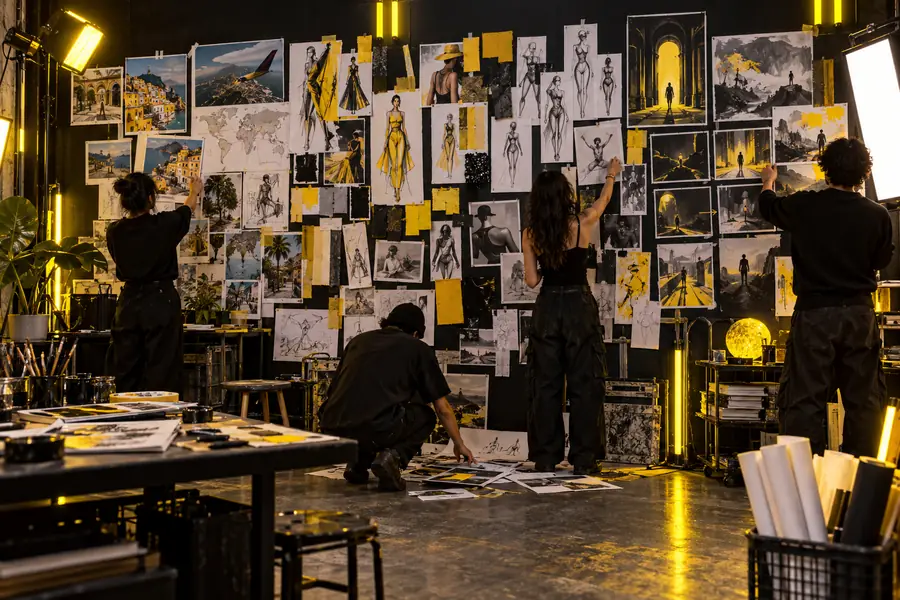

Specific language gives the handoff more to work with.
Starting ideaVisual directionReady to explore
You do not need a complete creative system before taking the first step. State what you want to see, name the mood or context, and use the resulting direction to discover what needs refinement. The online route is most useful when you approach it as a beginning: a way to make an idea more concrete before deciding how far to develop it.
Turn one visual thought into a usable starting brief
- Start with the subject and mood
- Add only the details that change the result
- Review the output before building on it
Common questions
Questions about the online route
These answers keep the starting experience practical and set expectations before you continue.
Kira art online is a focused starting route for turning a visual idea into a more usable creative prompt. It is suited to early concept development, visual direction, and deciding what to refine next.
No. You can begin with a subject, mood, or scene and then make the description more specific. Adding details about lighting, setting, composition, or style usually gives the next step clearer direction.
No. A prompt can guide the interpretation, but it cannot guarantee an identical result. Treat the first outcome as a draft direction and revise the most important detail if it does not match your intent.
Start with the main subject, then add the setting, mood, lighting, viewpoint, and any defining visual details. Keep the priority clear so the description does not become a list of competing ideas.
No. This page explains the starting route and its practical boundaries. The destination experience may provide additional controls or options that are not documented here.